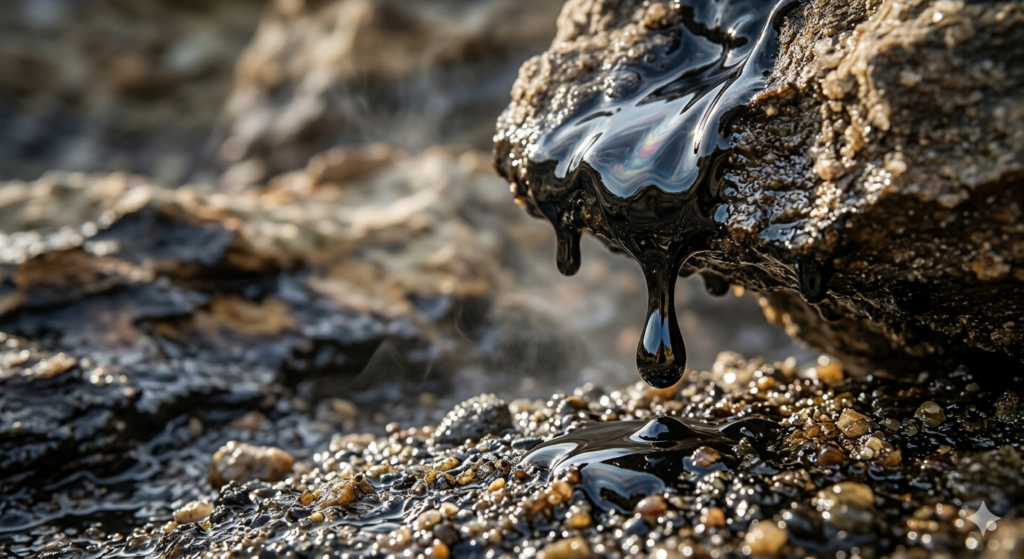
Na exploração de hidrocarbonetos, a água produzida é o maior fluxo de resíduo na extração de petróleo e representa um desafio ambiental que caminha junto com a eficiência financeira. Atualmente, a gestão de água produzida tornou-se um dos principais componentes do OPEX (custo operacional) das operadoras, especialmente em campos onde o corte de água (water cut) é elevado.
A água produzida, muitas vezes, apresenta-se como uma salmoura de alta densidade e complexidade química, exigindo soluções avançadas de tratamento de efluentes que vão além do simples armazenamento. A gestão eficiente desse efluente não é apenas uma questão de conformidade, mas uma estratégia para otimizar custos e prolongar a vida útil dos campos de produção.
Saiba mais: Entenda como a tecnologia de Spray Dryer Industrial pode ser aplicada em diferentes processos de secagem de alta performance.
Como Funciona o Processo de Tratamento e Separação?
O problema central no manejo da água produzida e da salmoura não é o resíduo em si, mas o alto volume de água contido na mistura. Pagar para transportar água é uma ineficiência logística que pode ser corrigida com tecnologia de separação e secagem industrial de última geração.
A aplicação de processos de concentração e secagem — tecnologia em que a Globe Systems é especialista — permite a extração da fase aquosa diretamente da salmoura. Ao processar esse efluente, o resultado é a separação nítida entre a água e a borra oleosa. Esse processo de tratamento de água produzida envolve as seguintes etapas:
- Evaporação: A água produzida ou salmoura é aquecida em um evaporador de alta performance, onde a água é vaporizada e separada dos sólidos.
- Condensação: O vapor é resfriado e condensado, resultando em água com grau de pureza elevado para reuso.
- Secagem do Resíduo: O material concentrado é encaminhado para um secador industrial para a remoção total da umidade residual.
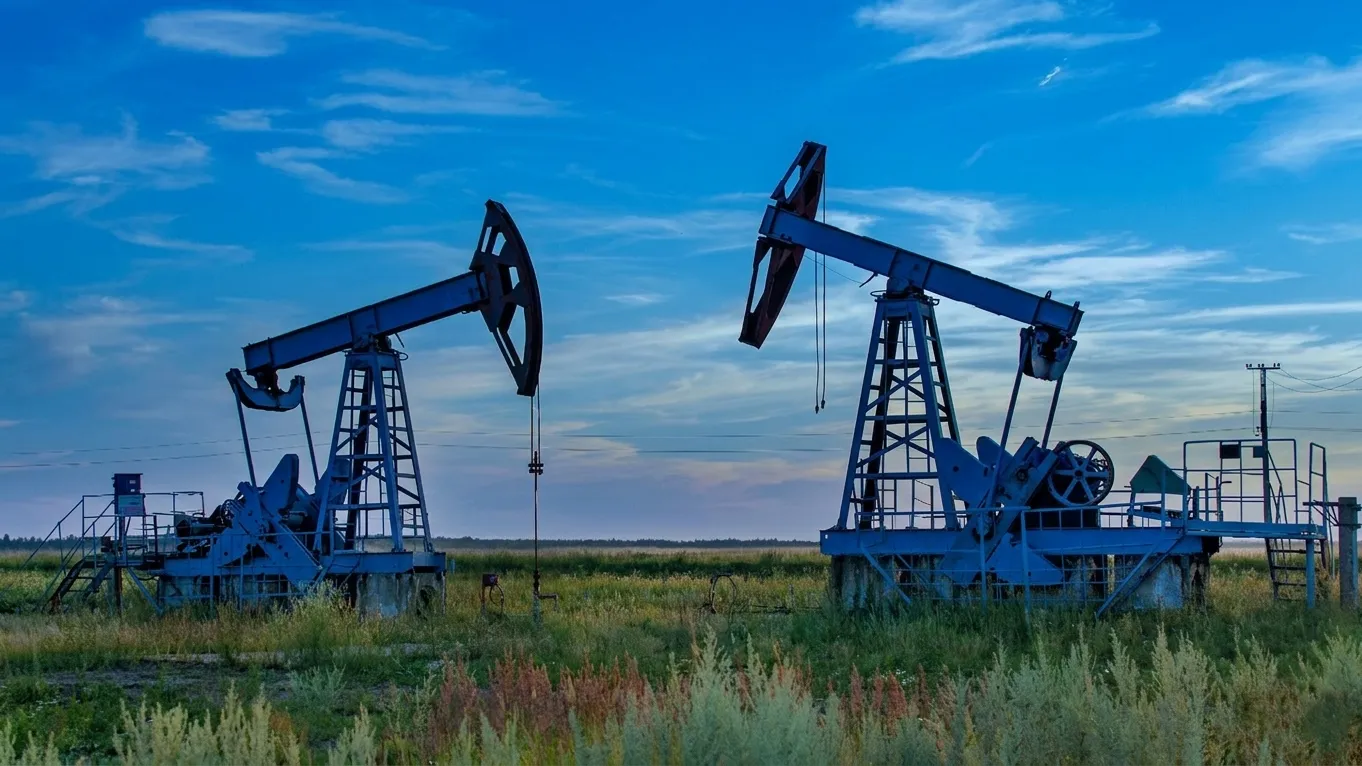
Água Produzida: O que é e para que serve sua Gestão?
Aplicações Industriais no Setor de Óleo e Gás
A tecnologia de evaporação e secagem aplicada à água produzida tem impactos diretos na rentabilidade do setor:
- Redução do Volume de Efluentes: Diminuição drástica do volume de salmoura, cortando custos de frete e descarte.
- Reclassificação de Resíduos: A extração da água permite tratar o sólido restante de forma mais barata e simplificada.
- Reuso de Água Industrial: A água recuperada da água produzida pode ser utilizada em torres de resfriamento ou reinjeção.
Essas aplicações seguem a mesma lógica de eficiência aplicada aos sistemas de secagem por pulverização, focando em máxima recuperação e zero desperdício.
Vantagens do Processo de Secagem e Separação
- Redução Drástica de Volume: Menos logística de caminhões para os bolsões de descarte.
- Diminuição do OPEX: Redução direta e mensurável no custo operacional por barril produzido.
- Compliance Ambiental: Segurança jurídica para a manutenção da licença de operação.
- Extensão da Vida Útil do Campo: Torna poços maduros economicamente viáveis novamente.
Critérios Técnicos e Variáveis do Processo
| Variável | Influência no Processo de Água Produzida |
|---|---|
| Concentração de Sais | Define a metalurgia do evaporador para evitar corrosão. |
| Vazão de Alimentação | Fundamental para o dimensionamento do sistema de tratamento. |
| Composição Química | Determina a necessidade de etapas de pré-tratamento de óleos. |
| Temperatura de Operação | Impacta a eficiência energética e a velocidade da secagem. |
Conclusão: Inovação no Tratamento de Efluentes com a Globe Systems
A transição de uma gestão passiva para uma estratégia ativa de extração e secagem de salmoura redefine o lucro operacional e a sustentabilidade da sua planta. Se a sua unidade lida com altos volumes de água produzida, a tecnologia de ponta da Globe Systems é o caminho para transformar passivos ambientais em ativos valiosos, eliminando gastos excessivos com transportes externos.
Desenvolvemos evaporadores e secadores industriais sob medida para o setor de óleo e gás, garantindo robustez contra corrosão e máxima eficiência energética. Não permita que o custo logístico comprometa sua margem: fale com um de nossos especialistas agora, conheça nossos equipamentos e otimize a gestão de água produzida na sua empresa hoje mesmo.
Referências e Normas Técnicas: Para mais detalhes sobre a regulação, visite o portal da ANP e as resoluções de efluentes do CONAMA.
Perguntas frequentes
O que é água produzida?
É a água que sai junto com o petróleo e o gás na produção. Ela contém sais, óleo e outros contaminantes e precisa ser tratada antes do descarte ou do reúso.
Como reduzir o volume de água produzida para descarte?
Separando o óleo e concentrando os sais. Evaporação e secagem podem transformar o rejeito líquido em um concentrado ou em pó seco para descarte seguro.
A Globe trabalha com rejeitos do setor de óleo e gás?
Sim. A Globe tem em implementação um projeto de tratamento de rejeitos do processo de óleo e gás que transforma o rejeito líquido em pó seco para descarte seguro.
Quem calcula e fabrica o evaporador
A Globe Systems projeta e fabrica evaporadores industriais de simples e múltiplo efeito, calculando o balanço de massa e energia do seu produto antes do orçamento. Na Triunfo do Brasil, o evaporador de múltiplo efeito concentra o extrato antes do spray dryer. Veja outros projetos de referência.