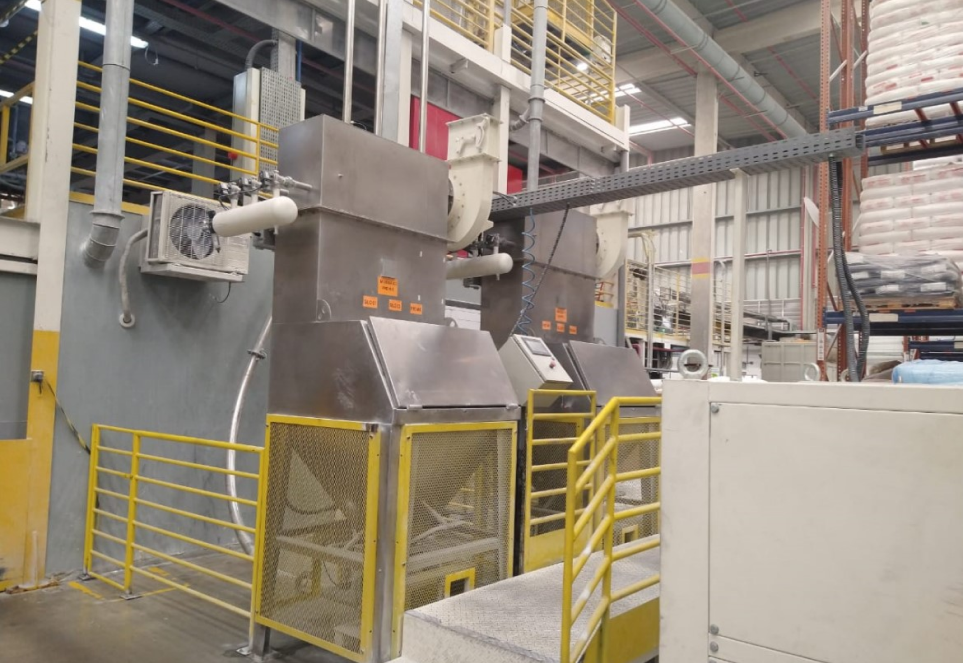
O filtro de manga é o sistema de despoeiramento mais difundido na indústria para o controle de material particulado, e entender seu funcionamento é o primeiro passo para garantir conformidade ambiental e proteger processos. Quando bem dimensionado, ele alcança eficiências de coleta superiores a 99% mesmo para partículas finas, o que o torna a referência em filtragem a seco. Este guia técnico detalha como funciona, quando aplicar e quais variáveis governam a seleção desse equipamento.
A operação de qualquer planta que gere poeira — seja na mineração, na indústria química, em laticínios ou na produção de alimentos — esbarra cedo ou tarde na necessidade de captar particulados antes que cheguem à atmosfera ou comprometam a saúde dos operadores. É nesse ponto que o equipamento deixa de ser um acessório e se torna parte central do projeto de processo.
Saiba mais: conheça a abordagem da Globe em despoeiramento industrial para diferentes segmentos.
O que é e como funciona o filtro de manga
O filtro de manga é um equipamento de filtragem a seco que separa partículas sólidas de uma corrente gasosa fazendo o ar contaminado atravessar elementos filtrantes cilíndricos — as mangas. A poeira fica retida na superfície externa (ou interna, conforme o tipo) do tecido, enquanto o ar limpo segue para a exaustão.
O princípio é simples, mas a engenharia por trás dele não é. O gás carregado de pó entra no equipamento e é forçado a passar pelo tecido das mangas. Nos primeiros instantes, o próprio tecido retém as partículas maiores; em seguida, forma-se sobre ele uma camada de poeira chamada torta de filtragem (ou cake), que passa a ser o verdadeiro elemento filtrante, capturando partículas cada vez menores. É por isso que um filtro bem operado fica mais eficiente depois de alguns minutos de operação — até o momento em que a perda de carga sobe demais e exige limpeza.
O ciclo de limpeza do filtro de manga
A limpeza periódica das mangas é o que mantém a perda de carga sob controle e garante vazão estável. Os três sistemas mais comuns são:
- Jato pulsante (pulse jet): um pulso de ar comprimido em contracorrente desprende a torta de poeira. É o método mais usado por permitir limpeza sem interromper a operação.
- Ar reverso: uma corrente de ar limpo em sentido contrário ao fluxo normal colapsa a manga e solta o particulado. Indicado para grandes volumes e poeiras finas.
- Agitação mecânica (shaker): as mangas são sacudidas mecanicamente. Sistema mais simples, geralmente aplicado em vazões menores e operação intermitente.
A poeira desprendida cai por gravidade em uma moega na base do equipamento, de onde é removida por uma válvula rotativa ou rosca transportadora.
Tipos de filtro de manga e critérios de seleção
Não existe um modelo universal. A seleção correta depende da combinação entre a natureza do pó, a temperatura do gás, a vazão a tratar e as exigências ambientais. Os principais critérios de projeto são:
Relação ar-pano e velocidade de filtração
A relação ar-pano (air-to-cloth ratio) é talvez a variável mais importante no dimensionamento do equipamento. Ela expressa quantos metros cúbicos de gás passam por minuto por metro quadrado de tecido filtrante. Uma relação alta demais resulta em perda de carga excessiva, desgaste prematuro das mangas e arraste de partículas; uma relação conservadora aumenta a vida útil e a eficiência, ao custo de um equipamento maior. Para poeiras finas e abrasivas, trabalha-se com velocidades de filtração mais baixas.
| Variável de projeto | Influência na seleção do filtro |
|---|---|
| Temperatura do gás | Define o material da manga (poliéster até ~150°C, aramida até ~200°C, PTFE/fibra de vidro acima disso). |
| Granulometria do pó | Partículas finas exigem menor relação ar-pano e tecidos com tratamento de superfície. |
| Umidade e ponto de orvalho | Condensação causa colmatação; pode exigir isolamento térmico ou pré-aquecimento. |
| Risco de explosão | Pós combustíveis demandam alívio de pressão e aterramento conforme norma. |
| Vazão de gás | Determina a área filtrante total e o número de mangas do equipamento. |
Material das mangas
A escolha do tecido é definida principalmente pela temperatura e pela química do gás. Poliéster atende a maioria das aplicações a frio; aramida (Nomex) suporta temperaturas intermediárias; PTFE (Teflon) e fibra de vidro são reservados para gases quentes ou quimicamente agressivos. Tratamentos de superfície, como a membrana de PTFE laminada, melhoram a liberação da torta e a captura de partículas submicrônicas.
Quando aplicar um filtro de manga
O filtro de mangas é a escolha natural quando se busca alta eficiência de coleta a seco, especialmente para particulados finos onde ciclones e lavadores não alcançam o nível exigido pela legislação. Ele é amplamente aplicado em:
- Despoeiramento de silos, moegas e pontos de transferência de pós;
- Captação na saída de moinhos, secadores e misturadores;
- Controle de emissões em caldeiras e fornos industriais;
- Recuperação de produto valioso arrastado em processos de secagem.
A engenharia de controle ambiental da Globe Systems cobre desde o filtro de mangas até o projeto integrado de exaustão e despoeiramento. Em muitos casos, o equipamento trabalha em conjunto com um ciclone separador instalado a montante, que atua como pré-filtro retendo as partículas grossas e prolongando a vida útil das mangas. Essa combinação é frequente em sistemas de transporte pneumático, onde o ar de arraste precisa ser limpo antes de retornar ao ambiente.
Cuidados de projeto e operação
Um sistema mal dimensionado é fonte recorrente de problemas: perda de carga elevada, troca frequente de mangas e até paradas não programadas. Alguns cuidados fazem diferença direta na confiabilidade:
- Controle da perda de carga: monitorar o diferencial de pressão entre a entrada e a saída indica o momento certo de limpeza e antecipa colmatação.
- Proteção contra condensação: operar acima do ponto de orvalho evita que a poeira empaste no tecido e endureça a torta.
- Qualidade do ar comprimido: em sistemas pulse jet, ar úmido ou contaminado degrada as válvulas de pulso e compromete a limpeza.
- Margem de dimensionamento: prever folga na área filtrante acomoda variações de carga e prolonga a vida útil das mangas.
É justamente nesse ponto que entra a abordagem consultiva da Globe Systems. Em vez de oferecer um modelo de catálogo, a Globe dimensiona cada unidade a partir das variáveis reais do processo do cliente, aplicando um fator de segurança no dimensionamento para absorver picos de operação. O resultado é um equipamento adequado à poeira específica da planta, e não uma solução genérica.
Conformidade ambiental e legislação
A operação de sistemas de despoeiramento no Brasil está sujeita aos limites de emissão de material particulado definidos pela legislação ambiental. A Resolução CONAMA 382/2006 estabelece padrões de emissão atmosférica que orientam o dimensionamento do sistema e a definição da eficiência mínima exigida. Atender a esses limites não é só uma questão de licença de operação: é condição para a continuidade do negócio.
Conclusão
O filtro de manga continua sendo a tecnologia de referência para o controle de material particulado a seco pela combinação de alta eficiência, robustez e custo operacional previsível. Mas o desempenho real depende menos do equipamento em si e mais do quanto o projeto respeita as variáveis do processo: relação ar-pano, material das mangas, temperatura, granulometria e sistema de limpeza. Um filtro dimensionado por processo entrega conformidade ambiental e proteção de planta sem virar um passivo de manutenção.
Caso real: filtros com limpeza automática em operação
Na Brasil Minérios (GO), a Globe Systems instalou 4 ciclofiltros com limpeza automática atendendo 70 pontos de captação. Na planta de cereais Nestlé/CPW, forneceu filtro com projeto ATEX, válvula corta-fogo e alívio de explosão.
Filtro de cartuchos Globe (até 100.000 m³/h) → · Caso Brasil Minérios → · Sistema de despoeiramento completo →
Perguntas frequentes
Como funciona a limpeza de um filtro de mangas?
No sistema pulse jet, pulsos de ar comprimido sacodem as mangas por dentro e o pó acumulado cai no funil, sem parar a filtragem.
Quando usar filtro de cartuchos em vez de mangas?
Cartuchos oferecem mais área filtrante em menos espaço e funcionam bem com pós finos e secos; mangas suportam melhor pós abrasivos, úmidos ou com temperatura mais alta.
Filtro de mangas precisa de proteção contra explosão?
Quando o pó é combustível, sim: o projeto considera alívio de explosão, aterramento e componentes conforme ATEX e NFPA 652.